
Published · Updated
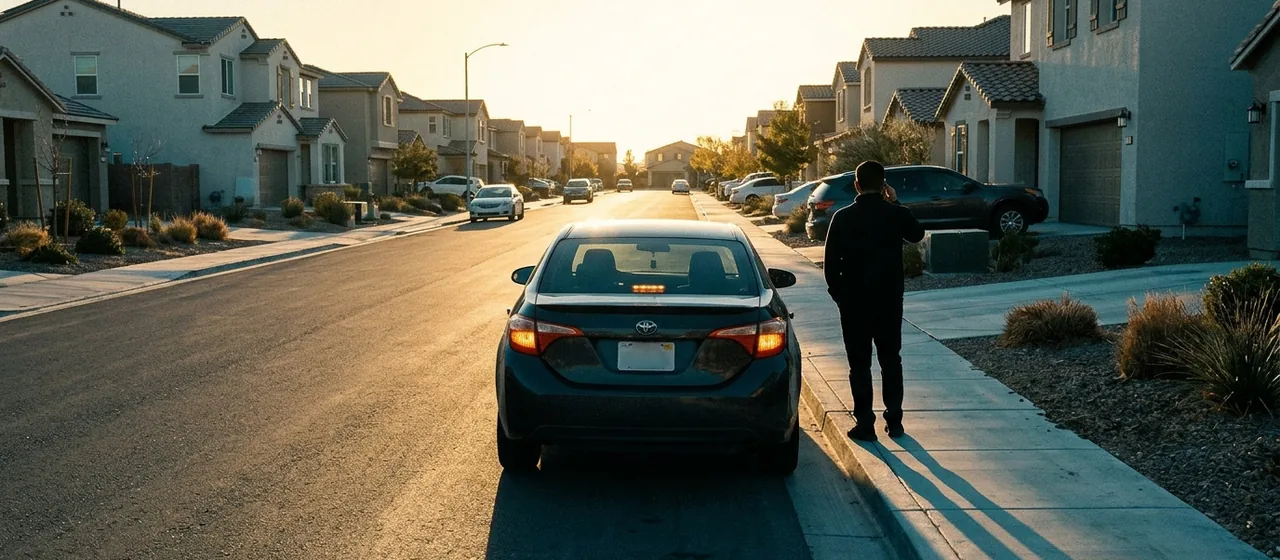
First: Position Yourself Safely
Before you make a single call, get yourself somewhere safe.
- Roadside car lockout: get off the travel lanes, behind a barrier or well onto the shoulder. Hazards on if the car is in an exposed spot. No key is worth standing in traffic.
- Home lockout at night: wait somewhere lit and populated (a neighbor's porch, a nearby café) rather than a dark doorstep.
- Child, pet, or medical situation inside: that's 911, immediately, no hesitation. Locksmiths are for property; emergencies belong to emergency services.
Make One Good Phone Call
Whoever you call, us or anyone, two checks separate professionals from predators: a verifiable license (two-minute check) and a committed total price (why that matters). Then speed things up by having answers ready:
- Where you are: address, or lot + row + nearest store entrance. "Blue Accord, row F, near the Target entrance" saves ten minutes of searching.
- What's locked: car (year/make/model), house (front door or another way in?), or business (who can authorize entry).
- Key status: locked inside vs. lost changes the job. Locked inside is an opening; lost may mean an opening plus a replacement key, and for homes, a same-visit rekey so the lost key stops mattering.
- Your documents: ID plus registration/insurance card (car), or a lease/utility bill (home). Verification happens before opening; having papers ready makes it painless.
The DIY Attempts That Make It Worse
Each of these turns a routine opening into a repair bill.
- Coat hangers and wedges on modern cars bend door frames, tear weather seals, and crush the wiring and side-impact sensors that sit inside the door, turning a $60–$180 unlock into bodywork.
- Credit cards open doors only in movies; in reality they open broken cards and scratched trim, and do nothing against a deadbolt.
- Bobby pins: lock picking is a real skill practiced on locks the picker owns; a first attempt on your own door mostly leaves broken pin fragments inside the cylinder for the locksmith to extract.
- Snapped-key extraction with glue: the single worst move available. Glue on a key fragment routinely turns a quick extraction into a full cylinder replacement.
- The one legitimate DIY: check the other doors, the trunk/hatch, and (for homes) whether a trusted person holds a spare. No professional is offended by a solved lockout.
What Happens When the Van Arrives
The technician verifies you're authorized (ID against the vehicle or address), confirms your exact total inside the published range out loud, and then opens the lock, using damage-free methods for the overwhelming majority of ordinary locks.
Car openings and home openings are typically minutes of actual work once verification is done. If the keys are gone rather than locked inside, decisions about replacement keys or rekeying happen with the prices in front of you, before anything else starts.
Make the Next Lockout Boring
Three cheap habits keep the next lockout from ever becoming an emergency.
- Cars: a spare programmed key, stored anywhere that isn't the car, converts a future emergency into a mild inconvenience.
- Homes: a spare with a trusted neighbor beats every hide-a-key rock ever sold. Burglars have seen the rocks too.
- Businesses: a documented answer to "who can authorize entry?" saves real time when the manager with the keys is unreachable. See business lockouts.